HOME INDEX EXHIBITIONS EVENTS ABOUT US BLOG LINKS CONTACT US SUBSCRIBE

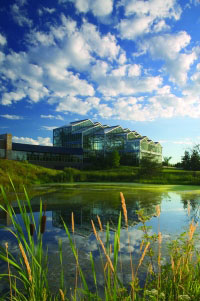
Frederik Meijer Gardens & Sculpture Park
Frederik Meijer

Gardens &

Sculpture Park


Grand Rapids, MI

SUPPORT OUR ADVERTISERS. THEY MAKE THIS SITE POSSIBLE
Premium Ad Space
Deborah Butterfield in her Montana studio
Exhibition: Essence: The Horses of Deborah Butterfield
Deborah Butterfield
Deborah Butterfield in her Montana studio
Photo courtesy of the artist
Exhibition: Essence: The Horses of Deborah Butterfield
Deborah Butterfield
Cabin Creek, 1999
Bronze,
88 x 122.5 x 30.5 inches
Frederik Meijer Gardens & Sculpture Park, Grand Rapids, Michigan. Gift of Fred and Lena Meijer. © Deborah Butterfield. Photo by William J. Hebert.
Cabin Creek, 1999
Billings, 1996
Exhibition: Essence: The Horses of Deborah Butterfield
Deborah Butterfield
Billings, 1996
Photo courtesy of the artist
Exhibition: Essence: The Horses of Deborah Butterfield
Deborah Butterfield
Palma, 1990
Photo courtesy of the artist
Frederik Meijer Gardens & Sculpture Park
1000 E. Beltline Ave NE
Grand Rapids, MI 49525
  Main phone: 888-957-1580 
Map

http://facebook.com/meijergardens
http://twitter.com/Meijer_Gardens


www.meijergardens.org

Hours:
Monday, Wednesday, Thursday, Friday, Saturday: 9 am-5 pm
Tuesday: 9 am-9 pm
Sunday: 12-5 pm

Fees:
Adults (14 - 64): $12.00
Seniors (65 and older): $9.00
Students (w/ student ID): $9.00
Children (5 - 13): $6.00
Children (3 - 4): $4.00
Children (2 and younger): Free

*Group rates are available (minimum of 20 people)

Mission Statement:
To promote the enjoyment, understanding, and appreciation of gardens, sculpture, the
natural environment, and the arts.

Exhibitions:

Essence: The Horses of Deborah Butterfield
January 27 - April 29, 2012

American sculptor Deborah Butterfield is among the most respected and acclaimed artists of her generation. Her horses, like Meijer Gardens’ own beloved and iconic Cabin Creek (1999), have been the focus of great interest as much for their creative use of materials as for their craftsmanship. The horse has been the singular focus of her prolific career since the mid 1970s—most frequently focusing on the mare instead of the stallions and warhorses most commonly encountered in the history of art. This exhibition features both the installation of large-scale as well as pedestal-size horses. Each unique example is composed of a wide variety of materials from found and reclaimed metals, to branches and earth. Although each sculpture is inspired by a specific horse Butterfield has known, the works are not portraits in the traditional sense, but representations of the essence of that creature. For Butterfield, it is not merely the physical presence of such noble creatures she hopes to convey but their spirit and energy as well.

All About Horses Docent Cart
Ongoing near the Peter M. Wege Library
Stop by our docent cart to learn more about horses.

Deborah Butterfield: Dialogue with the Artist (video)
Ongoing in the Hoffman Family Auditorium
In this short film (approximately 15 minutes), witness Butterfield creating three specific horses while she candidly discusses the creative process, her relationship with horses and her philosophy of living.

Family Art Activities
Saturdays, February 4, 11 and 18, 2012
Click here for more information.

Curator's Choice
Friday, February 10, 2012
Click here for more information.

Book Talk: My Favorite Horse Books
Saturday, February 18, 2012
Click here for more information.

Gallery Walk
Saturday, February 25, 2012
Click here for more information.

Lecture: The Horse in Art
Friday, March 2, 2012
Click here for more information.

Gallery Walk
Friday, March 9, 2012
Click here for more information.

Gallery Walk: Perspectives
Friday, March 16, 2012
Click here for more information.

Our Education department offers many engaging classes related to Deborah Butterfield and horses (fees apply). Search "horse" on the class registration page.
Click here for the Deborah Butterfield Teacher Packet.

Essence: The Horses of Deborah Butterfield is sponsored by:
The Meijer Foundation
Botanic and Sculpture Societies of Frederik Meijer Gardens & Sculpture Park
Steelcase Inc.


Calendar


Calder’s “A Two-Face Guy” on long-term loan from the Calder Foundation

Frederik Meijer Gardens & Sculpture Park, one of world’s most comprehensive sculpture and botanic experiences, today announces it has received Alexander Calder’s A Two-Faced Guy on long-term loan from the Calder Foundation in New York. It is the second major piece of Calder’s artwork loaned to Meijer Gardens in recent years.

“We are extremely grateful to receive this generous loan from the Calder Foundation,” said David Hooker, president and CEO of Frederik Meijer Gardens & Sculpture Park. “It was a result of our close relationship with the Calder Foundation and the great success of our recent exhibition of Calder’s work.”

A Two-Faced Guy was displayed in the summer 2009 exhibition “Alexander Calder: 1960 - The Fortieth Anniversary of La Grande Vitesse.” It is currently being installed in one of the most high-profile areas of the Sculpture Park. Located directly across from the scenic waterfall, the sculpture can be seen by tram riders as well as those walking the path.

This is the second long-term loan of Calder’s work in recent years. The first was Two Discs, which came to Meijer Gardens from the Smithsonian Institution’s Hirshhorn Museum and Sculpture Garden. It was installed in October 2007. Meijer Gardens was also chosen to temporarily showcase Auguste Rodin’s The Thinker on loan from the Detroit Institute of Arts in the summer of 2007.

“Receiving A Two-Faced Guy is an honor and speaks of the quality of our collection,” said Joseph Becherer, chief curator and vice president. “We will proudly showcase it as a symbol of our dedication to public art in Grand Rapids and the legacy of Alexander Calder.”

Alexander Calder has a strong connection with the city of Grand Rapids. His colossal stabile La Grande Vitesse was the first publicly funded work of art by the National Endowment of the Arts.

About Alexander Calder
Alexander Calder (1898 – 1976) was born in Lawnton, Pennsylvania, the son and grandson of sculptors. Calder received a degree in mechanical engineering before deciding to become an artist. In 1931, he made his first “mobiles,” or kinetic sculptures. By the mid-1930s, his work became more biomorphic reflecting the organic Surrealism movement. From the mid 1950s forward, Calder focused on monumental sculptures that defined architectural spaces. He eventually found a steel fabricator in France who could create stabiles large enough to walk under. Although based in abstraction, Calder’s objects incorporate references to the natural world, interacting directly with their environments as the breeze moves them and light introduces shadowy images. By the 1960s, he was recognized internationally as among the most profound artists of his generation.

Support Your Local Galleries and Museums! They Are Economic Engines for Your Community.

Subscribe to Our Free Weekly Email Newsletter!

Advertise with this banner
BACK NEXT
Copyright 2012 Art Museum Touring.com