|
|||||||||||||||||||
|
|
|
|||||||||||
|
 |
|||||||||||
 |
|
|||||||||||
|
 |
|||||||||||
 |
|
|||||||||||
|
Dane G. Hansen Memorial Museum
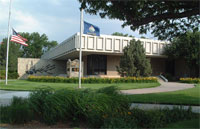
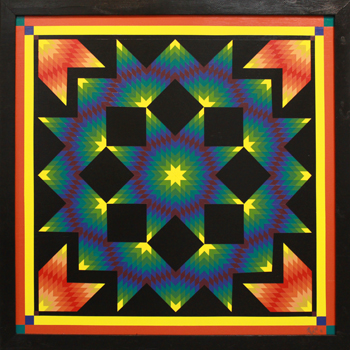
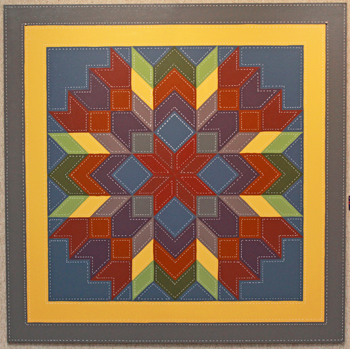
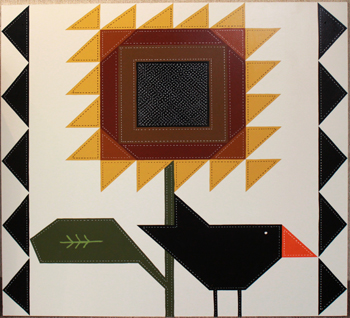
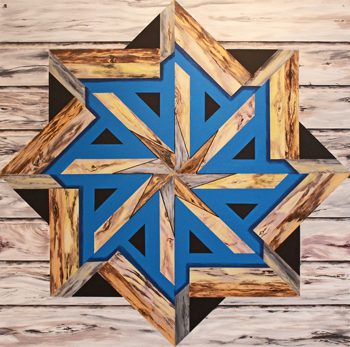
P.O. Box 187 110 West Main Street Logan, Kansas 67646 785-689-4846 Map Email: hansenmuseum@ruraltel.net Website: www.hansenmuseum.org There is no admission fee! Free Wi-Fi Hotspot in the Community Room! Hours: Monday - Friday: Saturday: Sundays and Holidays: (Closed on Thanksgiving, Christmas and New Years Day) General Information The five year project was completed in 1972 and deeded to the City of Logan. The Plaza was officially dedicated on April 10, 1973. The Plaza is a square block area, centered around a multipurpose building, and surrounded by beautiful landscaping. The building is designated into quadrants: one for the Trust and the Foundation; and one each for a Community Meeting Room, a Museum, and a Gallery. Designed by Kiene and Bradley of Topeka and built from pre-stressed concrete, the quadrants are divided by protruding sections of Neva Limestone, which was quarried near Junction City, Kansas. The building is fully carpeted and elegantly decorated, making it the finest structure of its type in the area. The Plaza contains an all-purpose community room furnished with an organ, keyboard, a Kansas patchwork quilt from the Hansen Family, and paintings by Kansas artists. The Museum contains early American and foreign coins, European and Western guns, Mr. Hansen's office, the Hansen Family Biography, oriental art collected by Kate Hansen in Japan from 1907 to 1951, and art objects purchased by the Museum Association. The Museum also houses traveling exhibits and a monthly "Artist of the Month" exhibit. Trustees of the Foundation have funded many projects which they felt met Mr. Hansen's intentions for the Foundation. Among these projects are: nursing and educational scholarships for students from Northwest Kansas, numerous cultural events, local and statewide educational programs and charitable projects, church building projects, and scouting. They paved the roads and installed a water system at the Logan Cemetery, provided funding for a local swimming pool and tennis courts, gave "seed money" for the construction of a low-cost housing project, built the Logan Medical Clinic, and support the Logan Nursing Home. The Foundation is one of the top contributing foundations in the State of Kansas. Exhibition: Open Call Barn Quilt Exhibit |
||||||||||||
| Exhibition Information page 2 |
|
|||||||||||
|
||||||||||||
| Support Your Local Galleries and Museums! They Are Economic Engines for Your Community.
Subscribe to Our Free Weekly Email Newsletter! |
||||||||||||
| ADVERTISE ON THIS SITE | HOME | EXHIBITIONS | INDEX | EVENTS | ABOUT US | LINKS | CONTACT US | DONATE | SUBSCRIBE |
| Copyright 2020 Art Museum Touring.com |